The first “The Devil Wears Prada” was more than a pop culture phenomenon. It gave audiences a seductive look inside a world of high fashion most could only experience from the outside, while turning ambition, workplace pressure, and impossible beauty standards into one of the defining dramedies of its era. Nearly 20 years later, its long-awaited sequel, “The Devil Wears Prada 2” arrives in a very different cultural moment, one where fashion, publishing, and media are being reshaped by corporate greed, algorithms, and the collapse of media consumption.
Set 20 years after the events of the first film, Andy Sachs, now an award-winning investigative journalist, loses her newspaper job in a round of brutal layoffs and is pulled back into Runway’s orbit as its new Features Editor. Hired to restore the magazine’s credibility after a devastating scandal, Andy finds herself navigating a media landscape ruled by advertisers, metrics, consultants, and tech money. With Emily and Nigel by her side, she clashes with Miranda Priestly over what journalism should be, even as Miranda fights for her own future amid restructurings and a potential sale of Runway. As corporate power circles the magazine, Andy must decide what kind of work she wants to do, what her integrity is worth, and whether helping preserve Runway means saving something important or propping up a relic.
While most legacy sequels lean heavily on nostalgia, “The Devil Wears Prada 2” tries to be more than a reunion tour. It nods to the original through familiar gestures, sharp quips, character dynamics, and, of course, fashion, but uses the state of journalism and media today as the foundation for something more pointed.
While most legacy sequels lean heavily on nostalgia, “The Devil Wears Prada 2” tries to be more than a reunion tour. It nods to the original through familiar gestures, sharp quips, character dynamics, and, of course, fashion, but uses the state of journalism and media today as the foundation for something more pointed. The result is a sequel that remains glossy, funny, and easy to watch, but with a more cynical edge, trading the fantasy of breaking into a glamorous industry for the reality of surviving one that has been hollowed out from within. It does not always push its critique as far as it could, but when it works, it gives Andy and Miranda’s reunion a reason to exist beyond simple nostalgia.
The film sprinkles in familiar beats for fans to help bridge that 20 year gap, while also acknowledging how much times have changed. Miranda coolly failing to recognize Andy as the other Emily, Nigel once again curating her wardrobe and social armor, calling her by her “size 6” name, and even updated versions of the old coat and book rituals. These callbacks keep the tone recognizably Prada, even as the context has curdled due in no small part to the changes in the social and professional climate.
While the original film played like a glossy adult fairy tale about Andy Sachs’ ambitious journey to become an editor at a major publication, it connected because it made Runway experience feel like the big time, a place where a bright, earnest student‑paper editor could walk in off the street and suddenly find herself in a world “a million girls would kill for.” Two decades later, the sequel imagines what became of that fantasy once its audience grew up and how the world views journalism.
When Andy’s flattering words that Miranda is still lucky to have you, Nigel lands, Nigel wearily admits that “Runway stopped being a magazine many years ago. We are digital. We are downloadabe. We are streamable. We’re in the ether,” a bitter joke about how the death of print. What was once an assignment with a budget is now merely content creation without a story. The high‑fashion world that once felt like a rarefied destination is now everywhere, even as the places that housed it are being hollowed out.
The people and the industry have changed, and Andy and Miranda are merely doing what it takes to survive the chaos that comes with it. As such, the film is less interested in whether they “sell out” and more interested in the smaller, grayer compromises that now feel unavoidable. After being fired as soon as she got a journalism award, Andy gets the opportunity to return to her old stomping grounds when the owner of Runaway comes across that she is available for hire to restore the magazine’s reputation. So Andy makes pitches that would get clicks instead of actual reads because owners are far more interested in metrics, and Miranda trading editorial autonomy for advertiser goodwill. Essentially both of them quietly accept that the work they once believed in has been reduced to content people scroll past in line or on the toilet.
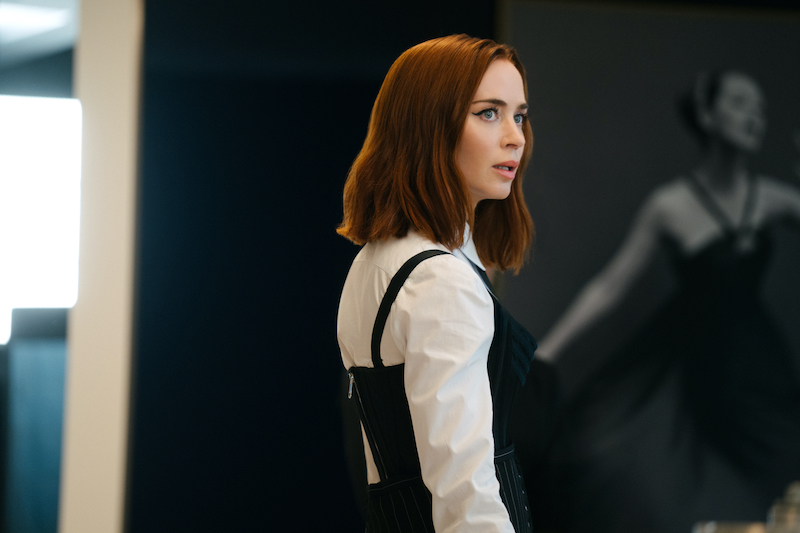
Emily, meanwhile, is no longer at Runway, and the film uses that distance wisely. Her new place in the fashion world shows how she has adapted outside Miranda’s shadow, turning the survival instincts she learned at Runway into a senior executive role at Dior. Her position marks a shift in power, as she now lectures Andy about $3,000 totes and the value of branding. Nigel, on the other hand, remains Miranda’s right hand while continuing to function as Andy’s reluctant guardian angel. He still offers fashion tips for his “size 6” friend, but he also gives her the kind of blunt advice only Nigel can. When Andy looks for answers or constructive feedback, Nigel cuts through it with, “Did you need this job? Did you take the job? So figure out a way to do this job.”
For all its talk about layoffs, restructuring, and the death of print, the film often feels like it is playing things safe. While the script touches on the fallout of journalists with families losing their income and mortgages needing to be paid and the idea of being put out of work while CEOs walk away with eight-figure payouts, the sequel’s references to late-stage capitalism and hollowed-out institutions are overshadowed by the comfort of bittersweet continuity and a shoehorned love story that prevents the story from becoming as sharp as it could be.
That restraint is also why “The Devil Wears Prada 2” rarely feels heavy. It keeps the same breezy, fast-talking energy that made the original so rewatchable, balancing sharp one-liners, fashion spectacle, and workplace absurdity with a more cynical view of the industry underneath it. That lightness is part of the film’s charm, but it also keeps the movie from fully sitting with the harsher truths it raises.
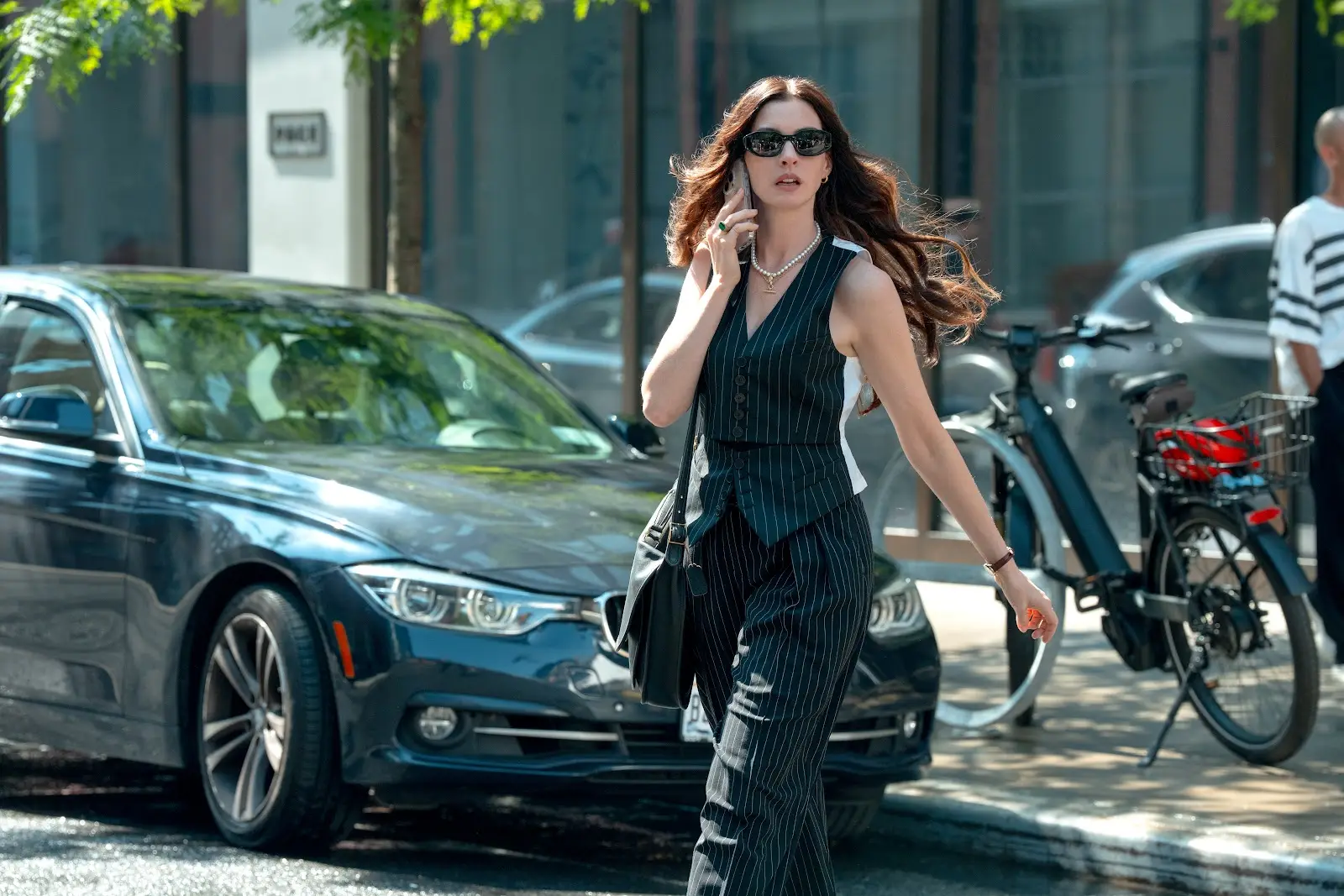
The cast is what keeps the sequel from feeling like an exercise in brand management. Anne Hathaway gives Andy a more weathered confidence, playing her not as the wide-eyed outsider anymore, but as someone who knows how the industry works and is still frustrated by what it demands. Meryl Streep remains precise as Miranda, finding power in restraint rather than volume, while Emily Blunt and Stanley Tucci give the film some of its sharpest emotional texture. Their performances make it feel as though 20 years never passed.
Visually, the film still understands the fantasy it is selling. The fashion remains one of its clearest pleasures, not just as spectacle, but as a reminder of why this world was so seductive in the first place. Milan gives the sequel a grander sense of scale, with the Duomo and The Last Supper functioning as more than postcard backdrops, subtly foreshadowing ideas of legacy, betrayal, and institutional power. Lake Como, meanwhile, adds prestige and luxury, reinforcing the aspirational surface that still makes Runway’s world so alluring. The music keeps that energy alive, using Lady Gaga’s high-energy sound to match the rush of chasing stories and the glamour of fashion shows, while Laufey’s “Mr. Eclectic” brings a lighter, more stylish touch to a Hamptons party.
It’s not entirely flawless, but “The Devil Wears Prada 2” works best when it understands that Runway is no longer just a dream job, but a symbol of an industry trying to preserve its identity while everything around it changes. The sequel rarely does anything unexpected, and it still leans on familiar legacy sequel clichés, but it is strongest when it adapts that glossy fantasy to the current moment. In the end, it is a satisfying follow-up that may not fully reinvent “The Devil Wears Prada,” but does enough to show why returning to this world 20 years later was worth it.
8/10
“The Devil Wears Prada 2” in theaters May 1.